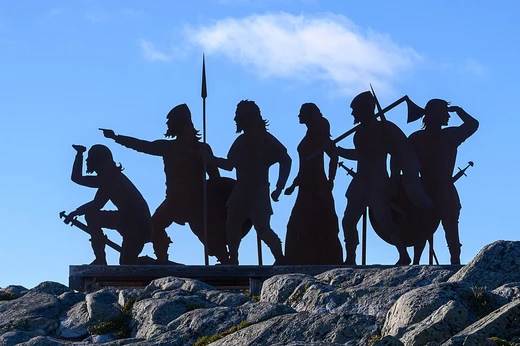
Atlantic slave trade
Transatlantic transportation of enslaved Africans to the Americas.

Great Britain. Parliament. House of Commons · Public domain
The Atlantic slave trade, also known as the transatlantic slave trade, involved the transportation of enslaved African people to the Americas by slave traders operating from Europe and the New World. It began in the 15th century with a coastal trade established by Europeans, and trade to the Americas started in the 16th century, lasting through the 19th century. Most of those transported were from Central and West Africa, and the trade was supplied by African slave merchants, with European raiding being uncommon and discouraged.
- estimated_total_loaded
- 12.5 million
- estimated_enslaved_in_Americas
- 10.7 million
Lore & Background
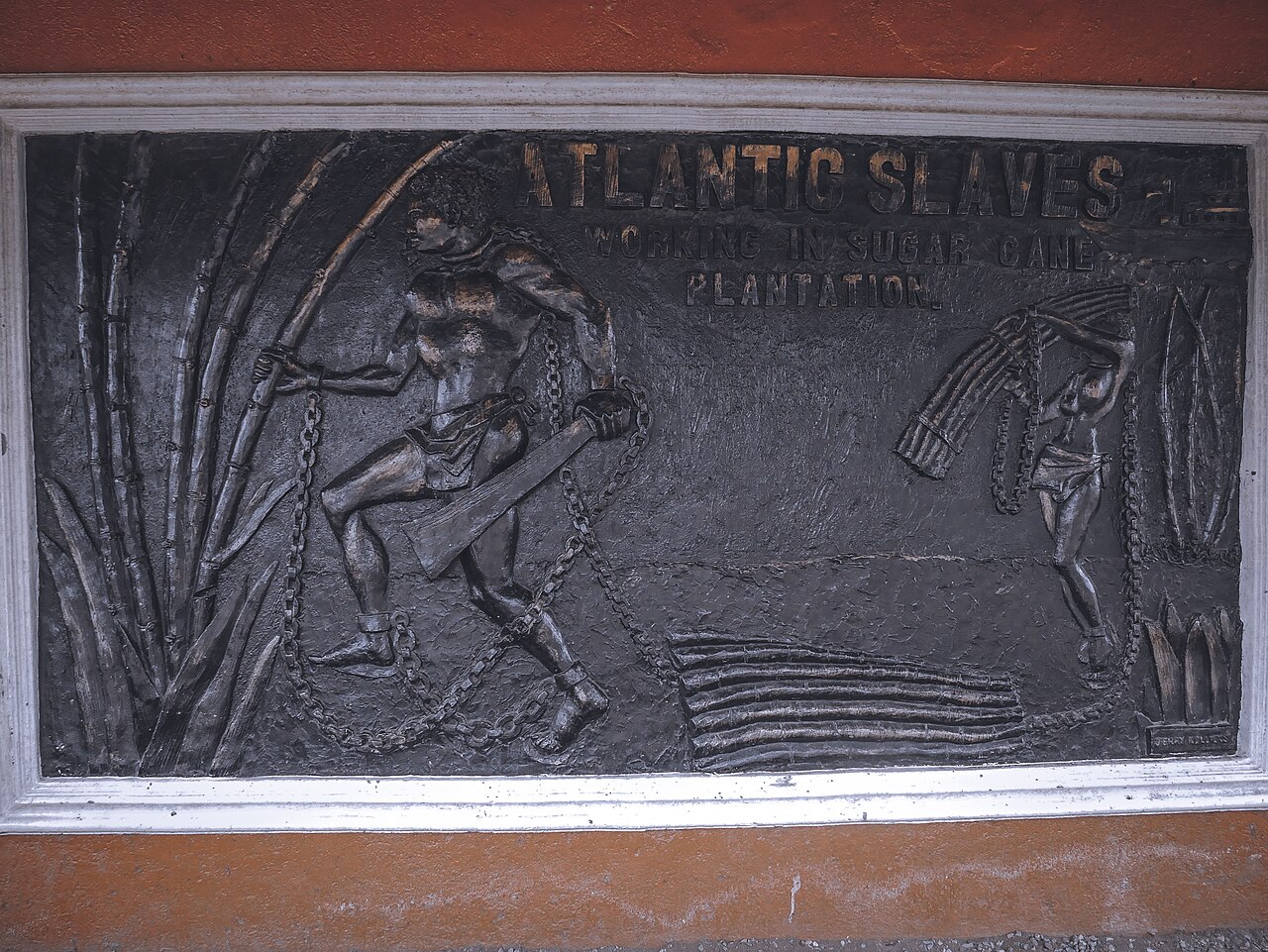
The Atlantic slave trade developed after trade contacts between the Old World and the New World were established. European seafaring technologies, such as multi-masted vessels with center-line rudders, enabled Atlantic travel. The trade was driven by the desire for profitable commercial opportunities and to create an alternative trade network to that controlled by the Muslim Ottoman Empire. Slaves were sold in the Americas to work on plantations (coffee, tobacco, cocoa, sugar, cotton), in mines, rice fields, construction, timber cutting, as skilled labor, and as domestic servants. The first enslaved Africans sent to English colonies were classified as indentured servants, but by the mid-17th century, slavery hardened into a racial caste, with children born to slave mothers also enslaved. The major trading nations, in order of volume, were Portugal, Britain, France, Spain, the Netherlands, the United States, and Denmark. The largest slave trading ports were in Europe and Africa, and European-based ships carried the vast majority of enslaved people across the Atlantic.
Reader's Guide
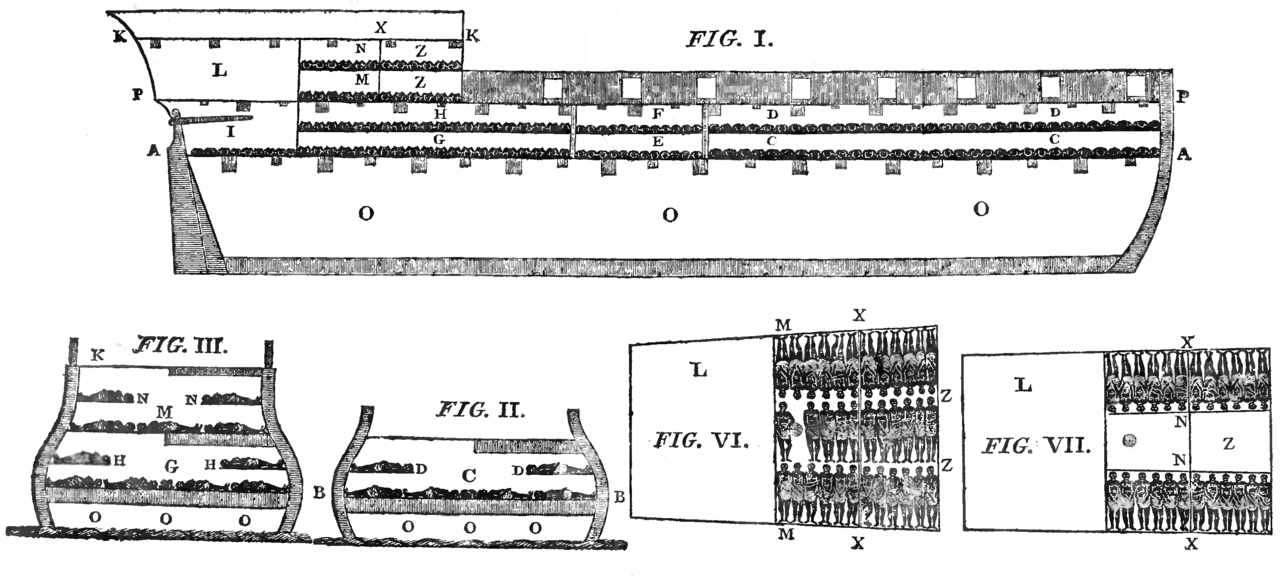
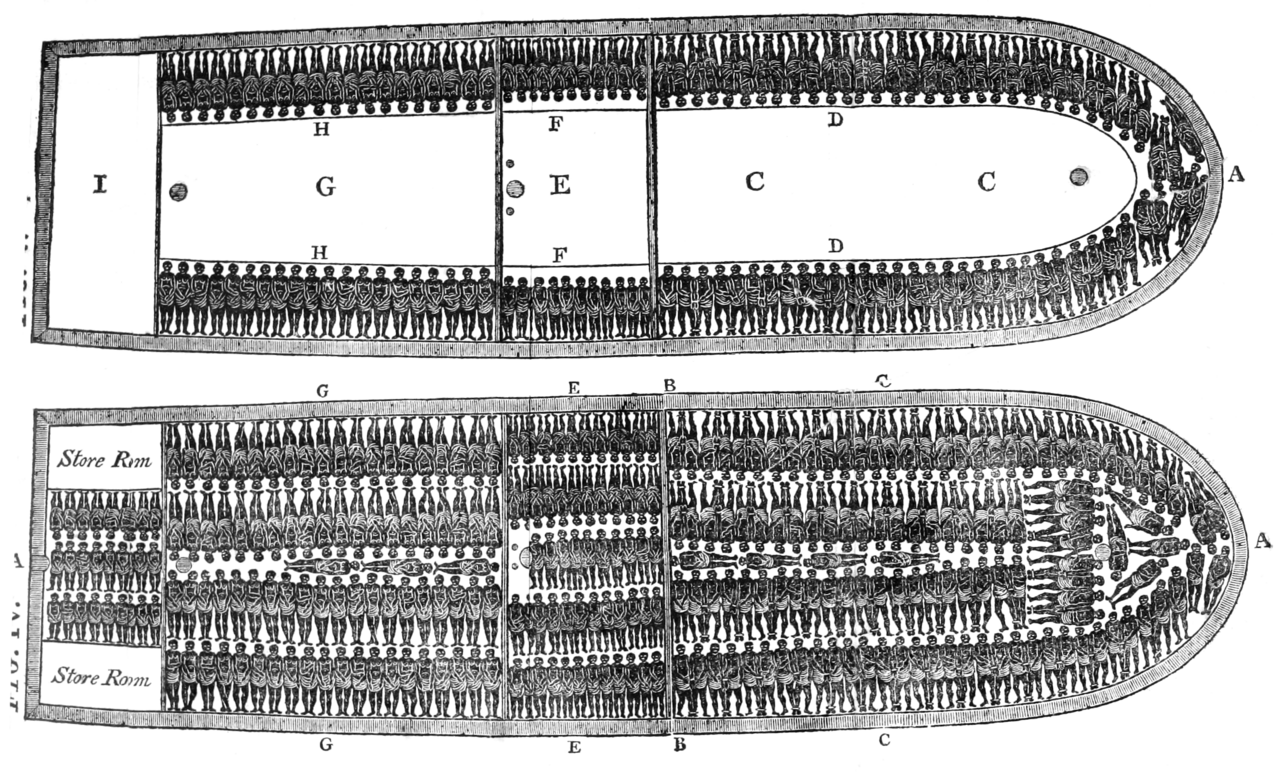
The Atlantic slave trade had profound demographic, economic, and social consequences. It involved the forced migration of an estimated 12.75 million Africans, with up to 2 million dying during the Middle Passage. The trade supplied labor for the Americas, where indigenous populations were shrinking due to European diseases and where European emigration was initially reluctant. The trade was operated by slave ships from Europe and the New World, often using the triangular trade route. Near the beginning of the 19th century, governments began to ban the trade, though illegal smuggling continued. The trade's legacy includes the establishment of racial slavery as a legal institution in the Americas, where enslaved people and their offspring were considered property. The trade also contributed to the global exchange of goods, including gold, silver, sugar, cotton, and crops like tobacco and maize, as part of the Columbian exchange.
Did You Know?
- Most transported in the transatlantic trade were from Central and West Africa.
- The Portuguese built barracoons in their African slaving bases to gather newly purchased captives.
- Northern European slave traders often used their ship as a base, meaning the first slaves endured longer confinement on board.
- The largest slave trading ports were in Europe and Africa, not South America.
The Three-Leg Exchange Between Continents
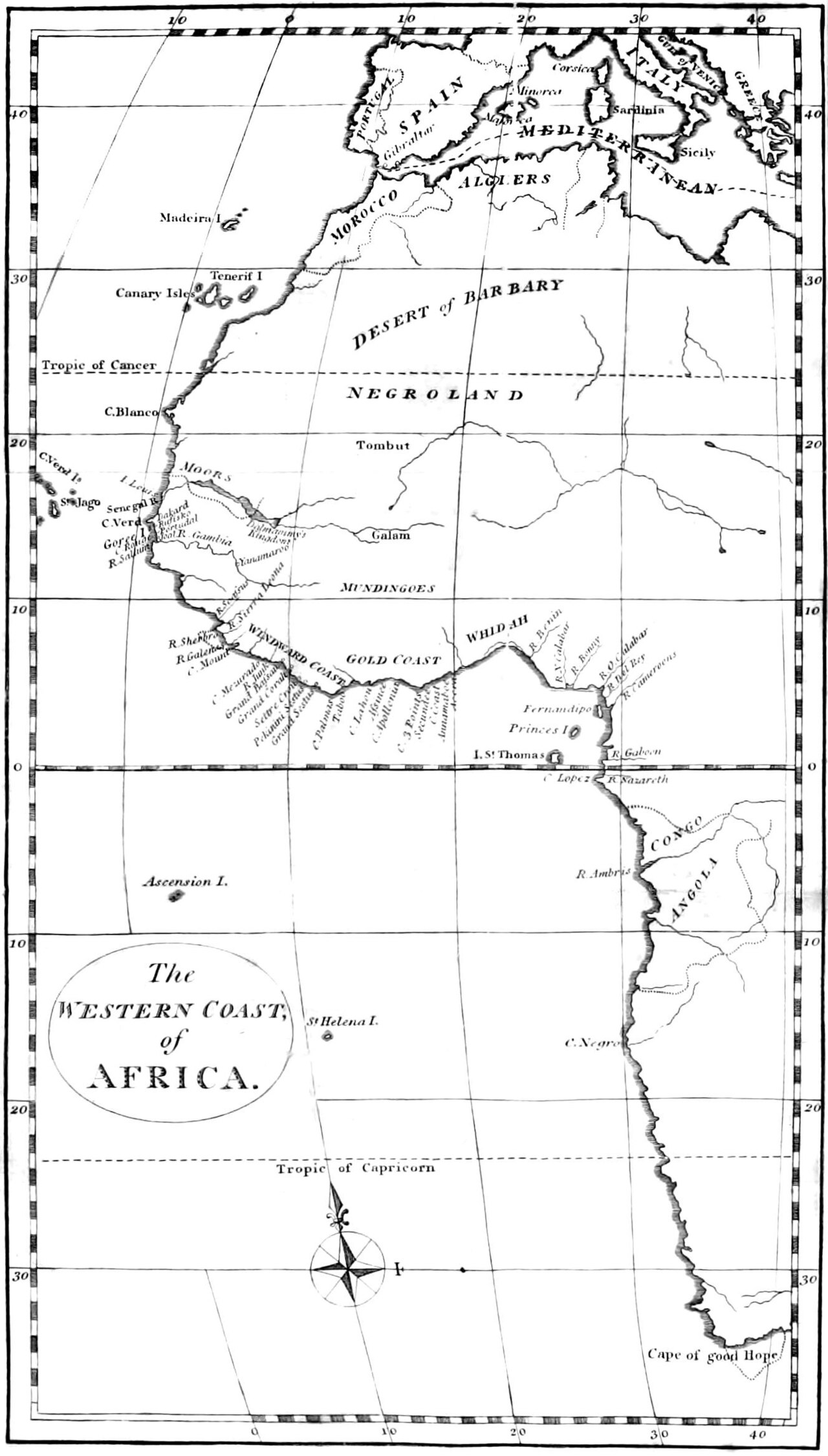
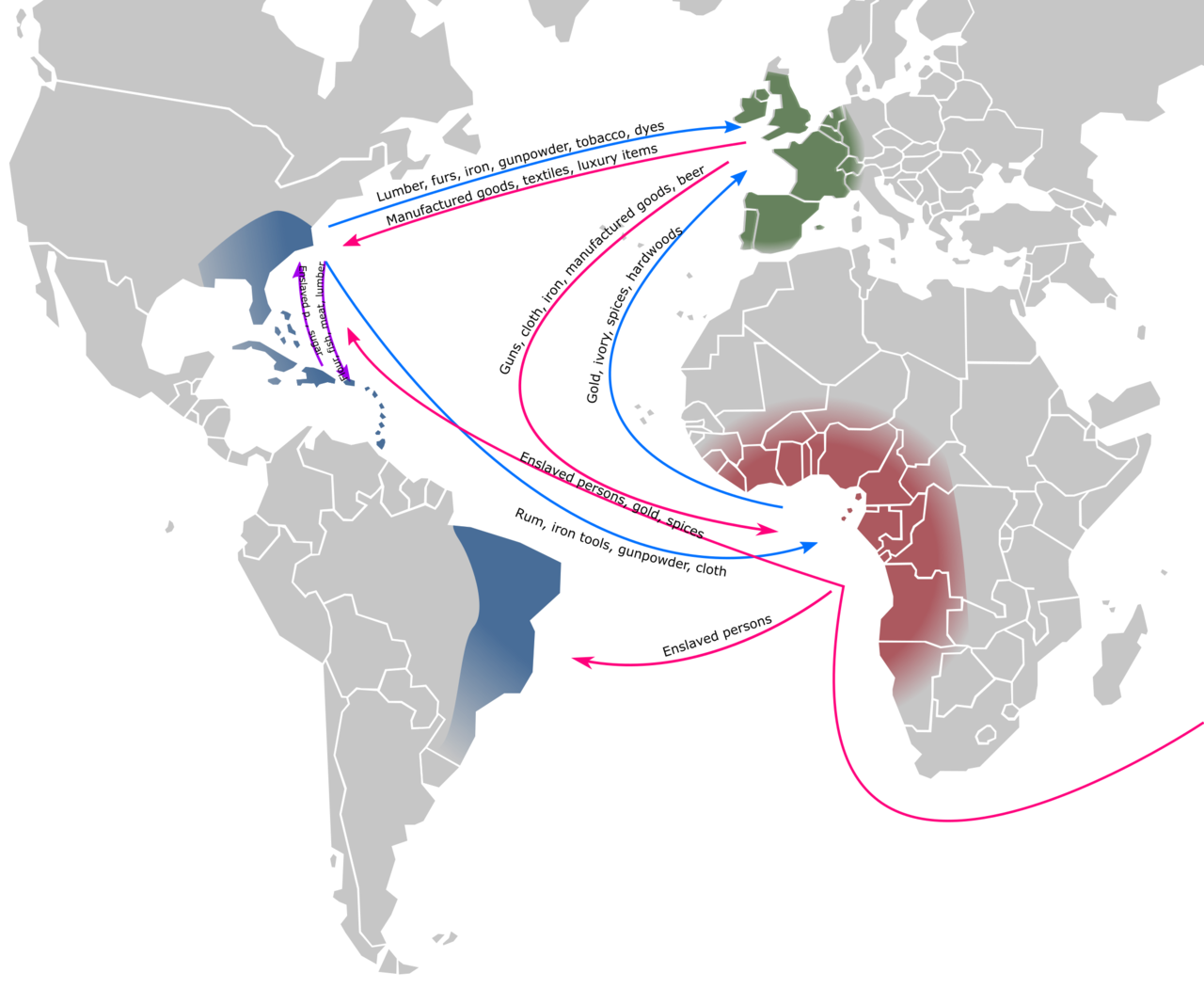
The Atlantic slave trade operated as a three-way transatlantic circuit connecting Europe, Africa, and the Americas from the 16th through the 19th centuries. European merchants outfitted vessels and loaded them with manufactured goods owned by trading companies, then sailed to West Africa. There, they sold or bartered those goods to local slavers in exchange for enslaved people. The crews then carried the captives—along with any remaining European manufactures—across the Atlantic to the Americas, particularly to Brazil and Caribbean islands, where plantation-owners purchased both the people and the goods. In return, merchants acquired sugar and molasses, which were shipped to North American colonies. There, the remaining European goods and slaves were sold to local buyers, while merchants purchased tobacco, cotton, rum, rice, lumber, and animal pelts to carry back to European markets. Notably, this triangular method was not the most common way slaves were transported; out-and-back voyages from the Americas to Africa were more frequent.
The Molasses-Rum-Slave Circuit
Among the many triangular arrangements, the colonial molasses trade stands as the most frequently cited example in 20th-century scholarship. Operating in the 17th and 18th centuries, this circuit linked West Africa, the West Indies, and the northern colonies of British North America in a self-reinforcing loop. Enslaved people were carried from Africa to the Caribbean, where they cultivated sugar cane. That sugar was processed into molasses—a liquid form—and then into rum. The rum, in turn, was traded back to West Africa for additional enslaved people, perpetuating the cycle. The sea-lane running west from Africa to the West Indies, and later also to Brazil, became known as the Middle Passage, its holds carrying abducted or recently purchased African people. While this triangular circuit was iconic in educational settings, the actual trade volume was primarily directed toward South America, where the majority of enslaved people were ultimately sold.
Winds, Currents, and the Geometry of the Voyage
The routes of the triangular trade were not arbitrary; they were dictated by the powerful forces of ocean winds and currents during the Age of Sail. Departing from the major trading nations of Western Europe, captains found it far more efficient to sail southward past 30° N latitude before heading west, catching the steady belt of trade winds that carried them into the Caribbean rather than forcing a direct westward push toward the North American mainland. On the return leg from North America, the Gulf Stream offered a natural highway in a northeasterly direction, assisted by the westerlies. This triangular sailing pattern was not entirely new to the Atlantic world. Even before Columbus's voyages, Portuguese mariners had exploited a similar triangular route to reach the Canary Islands and the Azores, a pattern that was later expanded outward to encompass the full transatlantic circuit. The physical geography of the ocean thus shaped the commercial logic of the trade as much as human ambition did.
The Sack Trade – A Parallel Atlantic Triangle
Long before the slave trade dominated Atlantic commerce, a different triangular system thrived between 1620 and 1709. Sailors from Newfoundland and New England—particularly Boston and Ferryland—loaded their vessels with salted cod and carried it to Mediterranean and Iberian seaports. Spanish and Portuguese Catholics valued this trade for practical religious reasons: the Church exempted cod from the fasting and abstinence requirements of Lent, Advent, and numerous saint remembrance days. In return, these ships carried back Iberian wine sacks, olive oil, dried fruit, tobacco, and substantial quantities of gold and silver mined by indigenous captives at Cerro Rico and Cerro de Pasco, along with bills of exchange. After 1661, Parliament lifted a ban on bartering New England cod for Iberian material goods. The trade eventually dissolved after 1709 as changes in cod-curing techniques and growing provincial demand for sugar and molasses redirected commercial priorities.
Gallery

Frequently Asked Questions
What is the Atlantic slave trade?
It refers to the centuries-long system in which enslaved people from Africa were forcibly transported across the Atlantic to work in the Americas. European and New World traders organized the voyages, while the supply side was largely handled by African merchants.
When did the Atlantic slave trade begin and end?
A coastal trade network was set up by Europeans in the 15th century, and the transatlantic leg to the Americas kicked off in the 16th century. The trade continued into the 19th century before being dismantled.
How many people were involved in the Atlantic slave trade?
Roughly 12.5 million Africans were loaded onto ships bound for the Americas, and about 10.7 million survived the crossing to be enslaved in the New World.
Where did most of the enslaved people come from?
The vast majority were taken from Central and West Africa. European traders rarely conducted their own raids; instead, the trade was predominantly supplied through African slave merchants.
Why is the Atlantic slave trade significant in the Exploration & Colonization timeline?
It represents one of the largest forced-migration events in recorded history and was a central economic engine behind European colonial expansion in the Americas. Understanding it is essential to grasping how exploration, colonization, and labor systems became intertwined from the 1500s onward.
More in Exploration & Colonization 1-15
Spotted an error? Know more?
This is a living reference — every entry is fact-audited, and reader corrections feed straight into our audit queue. Suggest an edit · See this site's audit record