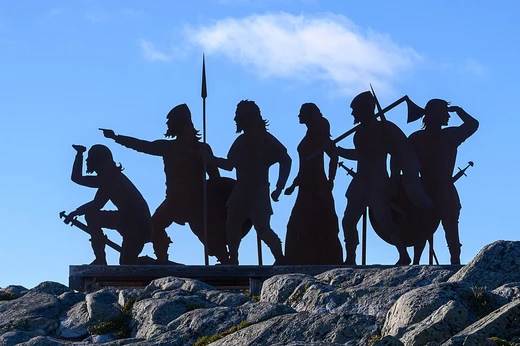
Dutch East Indies
Dutch colony that became modern Indonesia after war and negotiation.

Roger Veringmeier · CC BY-SA 4.0
The colony contributed to Dutch global prominence in spice and cash crop trade in the 19th century and coal and oil exploration in the 20th century. The colony's profits depended on exploitative labor, and its social order was rigidly racial, with the Dutch elite living separately from native subjects.
- nationality
- Dutch
Lore & Background
During the 19th century, the Dutch fought many wars against indigenous rulers and peoples, causing hundreds of thousands of deaths. Dutch rule reached its greatest territorial extent in the early 20th century with the occupation of Western New Guinea. The colony contributed to Dutch global prominence in spice and cash crop trade in the 19th century, and coal and oil exploration in the 20th century. The colonial social order was rigidly racial with the Dutch elite living separately from but linked to their native subjects.
Reader's Guide
Its significance lies in its immense economic value to the Netherlands, driven by spice and cash crop trade in the 19th century and coal and oil exploration in the 20th century, all reliant on exploitative labor. The colony's rigid racial hierarchy and the emergence of an Indonesian national consciousness in the early 20th century set the stage for the independence movement.
Did You Know?
- The colony contributed to Dutch global prominence in spice and cash crop trade in the 19th century and coal and oil exploration in the 20th century.
- During the 19th century, the Dutch fought many wars against indigenous rulers and peoples, causing hundreds of thousands of deaths.
Origins of the Term and Geographic Reach
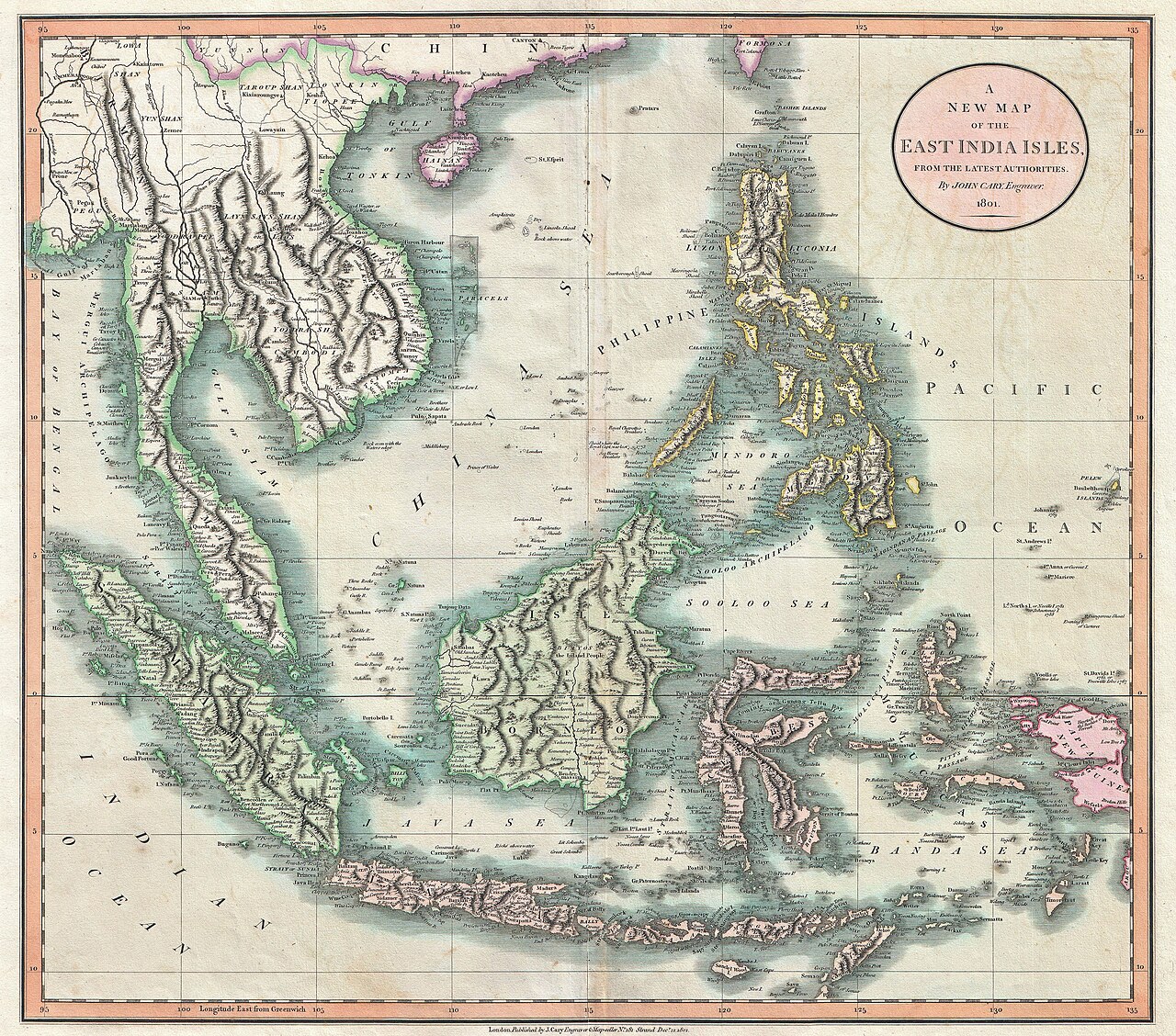
The concept of the Indies was born in the wake of Portuguese seafarers who, after rounding the Cape Route in the closing years of the 15th century, encountered the vast island chains and coastal stretches bordering the Indian Ocean. Initially the label was sweeping, treating the Indian subcontinent, the Indochinese Peninsula, and the Malay Archipelago as a single eastern frontier. Over time the meaning narrowed considerably. In its most restricted sense, the term singled out the Malay Archipelago, a stretch of land that in the modern era encompasses the Indonesian islands, New Guinea, and the Philippine archipelago. What had once been a single, undifferentiated East to European navigators gradually fractured into distinct political and geographic entities as colonial powers carved up the territory. The very word Indies thus carries the imprint of a particular European perspective on a region whose inhabitants had never conceived of themselves as a single collective.
Colonial Partition and Political Legacy
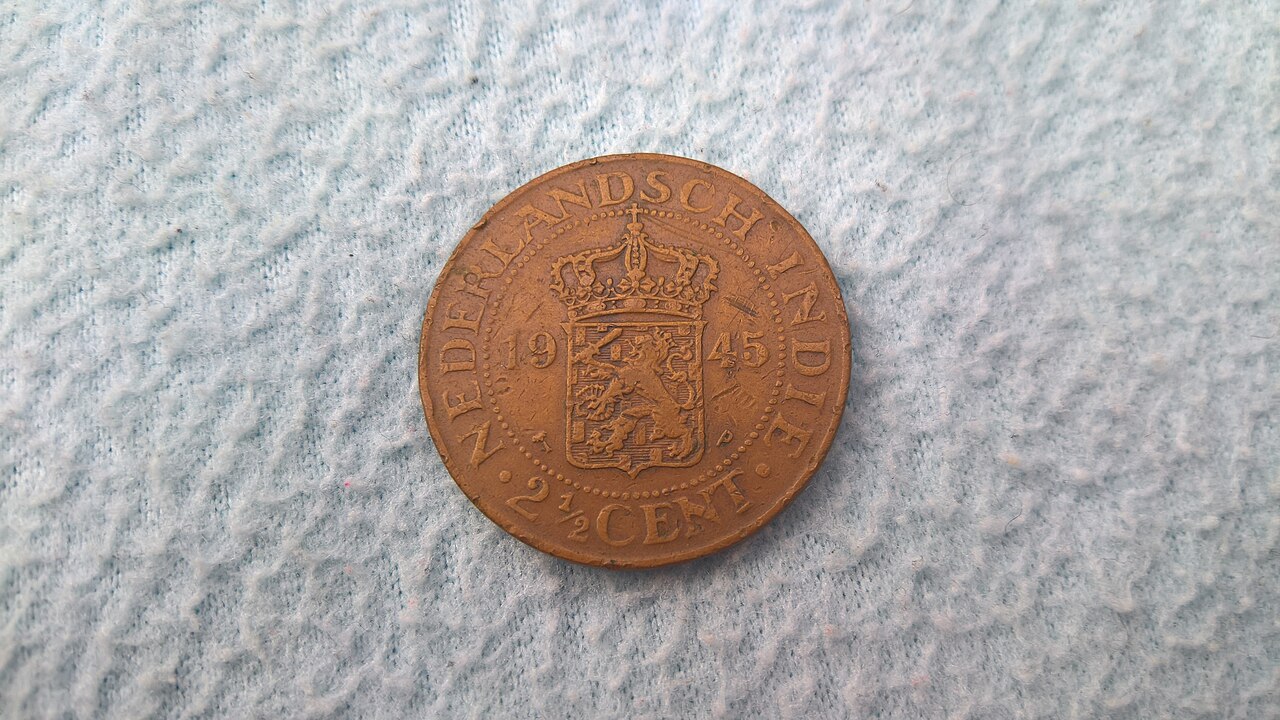
The political map of the East Indies was drawn not by local rulers but by competing European empires. The Spanish held their Asian territories, ultimately the Philippines, for 333 years before American conquest and Philippine independence. The Dutch maintained their colonial grip on what we now call Indonesia for roughly three centuries, a period universally known as the Dutch East Indies. French Indochina, British holdings in Brunei, Hong Kong, and Singapore, and Portuguese Macau and Timor all fell under the broader East Indies umbrella. Notably, Dutch New Guinea was excluded from this grouping, being classified geographically as part of Melanesia rather than the East Indies. The legacy of these colonial designations persists in modern geography: the Dutch East Indies means Indonesia, the Spanish East Indies refers to the Philippines, and the British East Indies points to Malaysia. The region's modern borders are, in large part, the fossilized outlines of 17th- and 19th-century imperial claims.
Cultural and Linguistic Mosaic
Far from being a monolithic entity, the East Indies is a tapestry of peoples, faiths, and tongues. The dominant population traces its roots to Austronesian speakers who first migrated from Taiwan, while later waves of Han Chinese settlers arriving in the early modern era became known as Peranakans or Straits Chinese. Religious life is equally varied: Islam, Buddhism, Christianity, and Hinduism all hold significant followings, with Sikhism, Jainism, Chinese folk religion, and numerous indigenous belief systems adding further layers. Linguistically, the region draws from Austronesian and Sino-Tibetan families, alongside Austroasiatic, Tai-Kadai, and Hmong-Mien languages. Crucially, none of these belong to the Indo-Aryan branch spoken in South Asia, a distinction that separates East Indian peoples from their South Asian neighbors. The inhabitants themselves do not identify as a single ethnic group; the label East Indian is an external, colonial-era convenience rather than a self-description.
Trade, Exploration, and the Naming Tangle
The economic engine behind European interest in the East Indies was the pursuit of valuable commodities, particularly cotton, indigo, and above all spices. The 17th century saw the creation of powerful trading entities, most notably the British East India Company and the Dutch East India Company, which institutionalized commercial dominance over the region's resources. The naming history of the Indies is itself a story of navigational error. Christopher Columbus, having badly underestimated the westerly distance between Europe and Asia, believed he had reached the easternmost edge of the Indies. The resulting confusion forced a rebranding: the newly encountered Americas became the West Indies, also called the New or Little Indies, while the original target region retained the title East Indies, or Old or Great Indies. Even the designation East Indian was once applied broadly to all inhabitants of the region, a usage intended to sidestep the separate and contentious term American Indian. The entire taxonomy of East, West, Old, and New Indies is thus a palimpsest of miscalculation and imperial bookkeeping.
Gallery
Frequently Asked Questions
Who is Dutch East Indies?
Dutch East Indies is a Dutch colonial entry in the Exploration & Colonization series (1-15) representing the archipelago that would eventually become modern Indonesia. It is defined by its nationality as Dutch and its role as a resource-extraction colony within the broader Dutch imperial network.
What are Dutch East Indies's powers or role?
The colony's core function is economic extraction: it drives Dutch global prominence through spice and cash-crop trade in the 19th century, then shifts toward coal and oil exploration in the 20th. Its social structure is rigidly racial, with a small Dutch elite governing over native subjects in a strictly separated hierarchy.
How does Dutch East Indies's story end?
The colony's arc concludes with a war followed by negotiation, after which it transitions into the modern nation of Indonesia. This ending reframes the colony not as a permanent fixture of Dutch power but as a transitional stage in the region's sovereignty.
Why is Dutch East Indies important in the series?
It illustrates how colonial wealth was built on exploitative labor systems while simultaneously elevating the colonizing power's global standing. Its trajectory from spice trade to fossil-fuel extraction and eventual independence serves as a microcosm of the broader colonization-to-decolonization arc.
What makes Dutch East Indies's social order distinctive?
The colony enforces a strictly racial hierarchy in which the Dutch elite live and govern entirely apart from native subjects. This separation is not merely political but spatial and social, reinforcing that all economic profit flows upward to the colonial power while labor is extracted from the local population.
More in Exploration & Colonization 1-15
Related in Exploration & Colonization
Links follow this subject's own source article.
Spotted an error? Know more?
This is a living reference — every entry is fact-audited, and reader corrections feed straight into our audit queue. Suggest an edit · See this site's audit record